A common perception of traffic control teams’ work is that it only involves roadway repair projects. While trained traffic management professionals are essential to the utility and construction industries for safely directing vehicles through their work zones, that’s only part of the story. They also take on events — from marathons to music festivals — that push local roadways past their limits, occasions that can create a complex, unsafe environment where vehicles, pedestrians, vendors, rideshare drivers, emergency responders, and local residents all converge at the same time.
Relying on volunteers or in-house staff to manage event traffic may seem like a cost-effective solution, but in reality, it can introduce liability, frustrate the public, create unsafe conditions, and increase the risk of collisions. Professional traffic control companies, by contrast, bring structure, compliance, proper equipment, and personnel who are trained to handle dynamic, real-time roadway situations involving vehicles and pedestrians alike.
Below, learn more about the different types of events, beyond road or utility work, where trained traffic control professionals are essential.
Sporting Events
Sporting events create dramatic surges of cars and pedestrians before and after games, especially around stadiums located within neighborhoods, university campuses, or tight downtown corridors. These short spikes in volume are exactly the type of conditions where untrained personnel struggle. Volunteers and ushers are focused on tickets, seating, crowd engagement, and guest experience — not traffic flow. They generally lack training in sight line assessment, dynamic lane management, or coordinating with police and EMS, all of which are crucial when moving thousands of people at once.
Using event staff for traffic introduces its own risks. If a crash occurs, a fire lane is blocked, or a pedestrian is injured, liability often increases when noncertified individuals are directing vehicles. Traffic control companies mitigate these issues by understanding and following the Federal Highway Administration’s Manual on Uniform Traffic Control Devices (MUTCD), the national standard governing traffic signs, cones, barricades, and procedures, as well as by designing clear ingress and egress plans and deploying certified flaggers who understand traffic behavior. Their presence also smooths coordination with police, who prefer working with professionals rather than improvised volunteer systems.
Concerts & Festivals
Concerts and festivals bring a unique chaos: sudden arrivals, sudden departures, heavy foot traffic, unpredictable rideshare patterns, and often the added complication of alcohol consumption. Event staff are already managing security checks, wristbands, staging, and artist logistics, and would be stretched thin to also safely direct traffic in real time.
Untrained staff may make well-intentioned but dangerous decisions: waving vehicles into unsafe U-turns, blocking intersections, or sending cars into bottlenecks. Rideshare confusion creates further risk when drop-offs and pickups happen in travel lanes.
Professional traffic control teams eliminate these hazards by designing dedicated rideshare zones, separating pedestrians and vehicles, managing lane closures, and ensuring required permits and closures follow municipal guidelines. When traffic flows smoothly, guests experience less frustration, the city receives fewer complaints, and the event and its organizer earn a better reputation.
Parades & Community Celebrations
Parades require closing full or partial roadways, often in the busiest parts of town. Volunteers with safety vests are valuable, but they aren’t traffic control specialists. Without proper barricades and signage, drivers may enter closed routes unintentionally, a scenario with enormous safety risks. Volunteers also may not know how to create a safe path for emergency vehicles when seconds matter.
These problems can be prevented by traffic control professionals employing effective detour routes, maintaining barricades throughout the event, and ensuring closure points meet MUTCD standards. They are trained to rapidly open a section for fire or EMS when needed, maintaining both safety and emergency access. A professional plan not only protects participants but also maintains positive relationships with residents and business owners who still need predictable access during the event.
Running & Bicycle Races
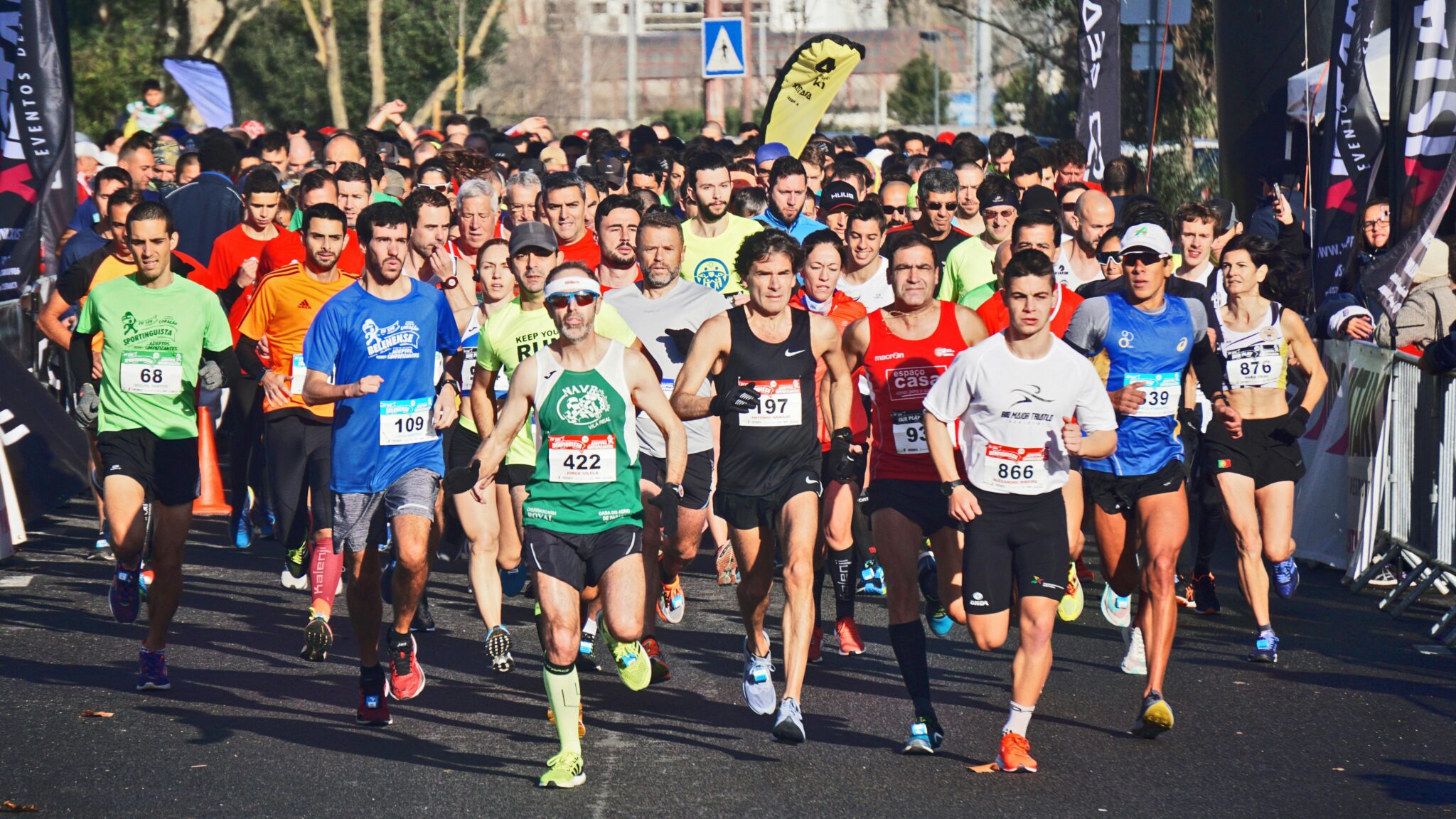
Endurance events such as marathons, triathlons, and bike races involve rolling closures that extend through multiple intersections and neighborhoods. Course marshals may excel at guiding runners, but often don’t have training in traffic sequencing, right-of-way management, or controlling driver expectations.
Miscommunication is common when volunteers are asked to juggle both pedestrian guidance and traffic control. A single mistake — a car entering the course, a blocked turn, or an uncontrolled intersection — can jeopardize the safety of hundreds of participants.
Professional traffic management crews develop phased or rolling closure plans synchronized with race timing, place trained flaggers at high-risk intersections, and coordinate with police and EMS across the entire route. The result is smoother flow, safer race participants, less irritated residents, and a greater likelihood that municipalities will welcome the event back year after year.
Carnivals & County/State Fairs
Fairgrounds or open fields that were never designed to handle thousands of cars can take the fun out of these festive events. Parking volunteers, while well-meaning, can become overwhelmed without a structured layout or training. Improvised parking plans easily cause backups onto major roads, frustrating the community and drawing the attention of law enforcement. Poor nighttime lighting only increases risk, especially when pedestrians and vehicles mix in crowded lots.
A professional traffic control company can transform the experience entirely. They design efficient parking flows, position night-visible signage and delineators, and create pedestrian pathways to help keep everyone safe. When traffic feels predictable and organized, guests enjoy the event more, and its reputation benefits.
School & University Events
Graduations, move-in days, and homecoming weekends all generate short, intense bursts of congestion around schools and colleges. Even on a normal day, campus roads are busy; add families running late or students unloading belongings, and traffic can become gridlocked.
Campus staff and safety officers are already stretched thin with security, logistics, and crowd management, and untrained personnel may unknowingly block loading zones or emergency routes, problems that can escalate quickly. Traffic control professionals mitigate these issues by creating temporary one-way loops, staging areas, and clearly defined loading/unloading zones. The smoother the process, the better the impression families have of the institution.
Religious Gatherings & Conferences
Large religious gatherings often occur in churches or other locations on smaller local roads, with only modest parking facilities. Without proper planning, vehicles tend to spill onto neighboring streets, block driveways and fire hydrants, and impede pedestrian crossings.
To avoid this, traffic control teams create structured entry and exit patterns, manage overflow parking areas, and maintain local access for residents. Proper handling of these details protects the event organizer’s standing in the community and helps reduce complaints and municipal conflicts.
Film Shoots & Special Productions
Film and commercial shoots may require full or partial street closures and involve large equipment, trucks, crew vehicles, and repeated takes that interrupt normal traffic flow. While production assistants are often tasked with managing this chaos, they’re already juggling other time-sensitive tasks and typically lack training in traffic law, MUTCD standards, and emergency routing. This can lead to poorly managed closures that frustrate residents or violate permit conditions.
Traffic control companies understand how to coordinate with city officials, legally and safely close lanes, and post detours. They maintain communication with residents, preserve local access where possible, and reduce accident risks for crew and the public. Efficient traffic management also helps production companies maintain good standing with permitting agencies, which is critical for future shoots.
Farmers Markets & Street Markets
Markets often require temporary closures in busy commercial districts or residential areas. Because organizers are managing vendors, overseeing health code adherence, and marketing to customers, traffic might become an afterthought for them. But improper closures or insufficient signage can confuse drivers and create unsafe situations. The casual “just put out a few cones” approach does not meet MUTCD safety standards and exposes organizers to unnecessary liability.
Professional traffic control companies set up proper barricades, warning signs, and detour markers. This ensures predictable and safe closures that keep city officials satisfied and reduce complaints from both marketgoers and neighbors. They can also help designate loading zones and narrow delivery windows for vendors, preventing congestion at peak times.
Use Professional Traffic Control for Your Event
In urban and rural settings alike, the pattern is clear: Managing event traffic is not a side task to hand off casually. It’s a specialized responsibility that directly affects public safety, community satisfaction, and event reputation. Volunteers and staff do remarkable work within their own roles, but traffic operations demand trained professionals who understand MUTCD compliance, real-time traffic behavior, emergency routing, and the unique pressures of temporary transportation environments. By partnering with a professional traffic control company, event organizers gain peace of mind, stronger relationships with their municipalities, and smoother experiences for attendees and neighbors alike.
When planning a race, conference, parade, or other gathering of any size, bring in experts who know how to keep your roads safe, efficient, and compliant. Contact the Traffic Plan team today to learn more about how professional traffic management can elevate your event and protect your community.